why is it important to boil cans
Why and How to Boil Canned Food?
We've often heard the advice to boil canned food before consuming it. But why is this? Have you ever wondered about the reason behind this practice? Is it simply a suggestion, or is it truly essential for our health?
In this article, we delve into the scientific and health reasons behind this common practice and show you how simple boiling can ensure your safety.
Hidden Dangers in Canned Food: Understanding Bacteria and Toxins
Canned food itself is generally safe and reliable, but if there are any issues during processing or storage, it can pose a serious health risk. Improperly processed canned food can create an oxygen-free environment that is ideal for the growth of harmful bacteria and toxins.
One of the most dangerous bacteria found in canned food is Clostridium botulinum, which causes botulism. Botulinum toxin affects the nervous system and can lead to muscle paralysis, respiratory problems, and even death in severe cases.
In addition to botulism, other bacteria such as Salmonella and Listeria can also contaminate improperly processed canned food and cause food poisoning if consumed.
We understand that reading this might be alarming, and you might be tempted to avoid canned food altogether. But fear not! With a simple and effective solution like boiling canned food, you can eliminate all potential bacteria and toxins, allowing you to enjoy canned foods with peace of mind.
Why is Boiling Canned Food Important?
Now that we understand the risks associated with consuming unboiled canned food, let's explore the benefits of boiling it.
- Reduces the risk of food poisoning: By boiling canned food, you eliminate harmful bacteria like Salmonella, Listeria, and Clostridium botulinum, significantly reducing the risk of foodborne illnesses.
- Preserves flavor and freshness: Boiling not only kills bacteria but also helps to preserve the flavor and freshness of the food.
- Ensures safety in case of manufacturing defects: Even if there is a manufacturing defect, boiling can help to eliminate any potential contaminants, ensuring the safety of the food.
Step-by-Step Guide to Boiling Canned Food
To ensure that your canned food is properly boiled, follow these simple steps:
- Wash the cans: Wash the cans with cold water to remove any dirt or debris.
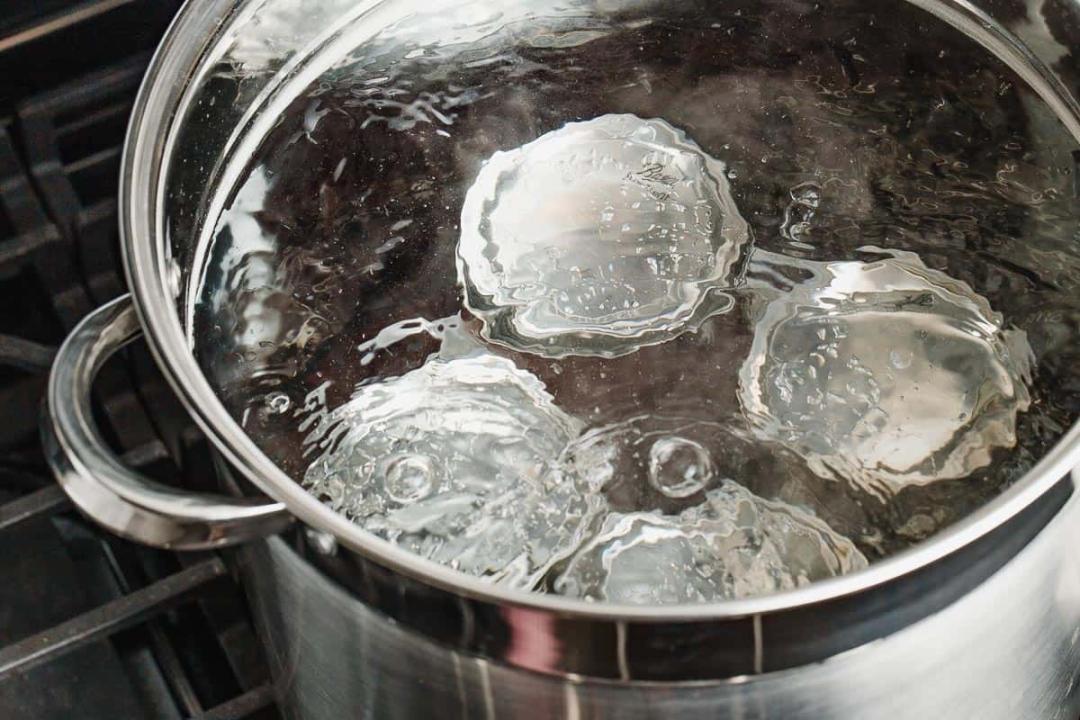
- Submerge the cans in water: Place the cans in a pot and cover them completely with cold water.
- Bring to a boil: Place the pot on the stove and bring the water to a boil.
- Boil for at least 20 minutes: Allow the cans to boil for at least 20 minutes to ensure that any harmful bacteria are killed.
- Cool the cans: After boiling, carefully remove the pot from the heat and place it under cold running water to cool the cans.
- Inspect the cans: Before opening the cans, inspect them for any signs of damage, such as bulging or leaks. Also, check the food inside for any unusual color, smell, or texture.
How to Tell if Canned Food is Safe After Boiling
After boiling, it's important to inspect the cans to ensure they are safe to consume.
- Check the can: The can should be firm and free of any dents or bulges. A bulging can indicates the presence of bacteria.
- Check for leaks: Ensure that the can is not leaking.
- Check the contents: The food inside should look and smell normal. Avoid consuming any food that has an off color, smell, or texture.
Conclusion
Boiling canned food is a simple yet effective way to ensure food safety. By following these guidelines and carefully inspecting the cans, you can enjoy canned foods with confidence.
Note: While boiling can kill many harmful bacteria, it's important to store canned food properly and consume it within the recommended timeframe to maintain its quality and safety.